Supporting article: Local SEO for Indonesian Businesses
A local backlink comes from a website with a real connection to your market or region. Industry associations, suppliers, partners, events, universities, local media, and community organizations can all be valid sources. This guide covers local link building without buying links or sending mass outreach. First, clean up your citations and NAP consistency, then use the workflow below to build a sensible prospect list.
What is a local backlink?
A local backlink points to your site from a website relevant to the city, region, community, or business ecosystem where you operate. A link from a Jakarta contractor association, a Tangerang event sponsor page, or a supplier partner directory can make more sense for a local business than a link from a general blog with no connection to that market.
Google explains that local prominence also considers information across the web, including links and articles. Links still need to be earned legitimately. Google’s spam policies prohibit buying links for ranking purposes, excessive link exchanges, and automated programs that create links to your site.
Citations and backlinks are different
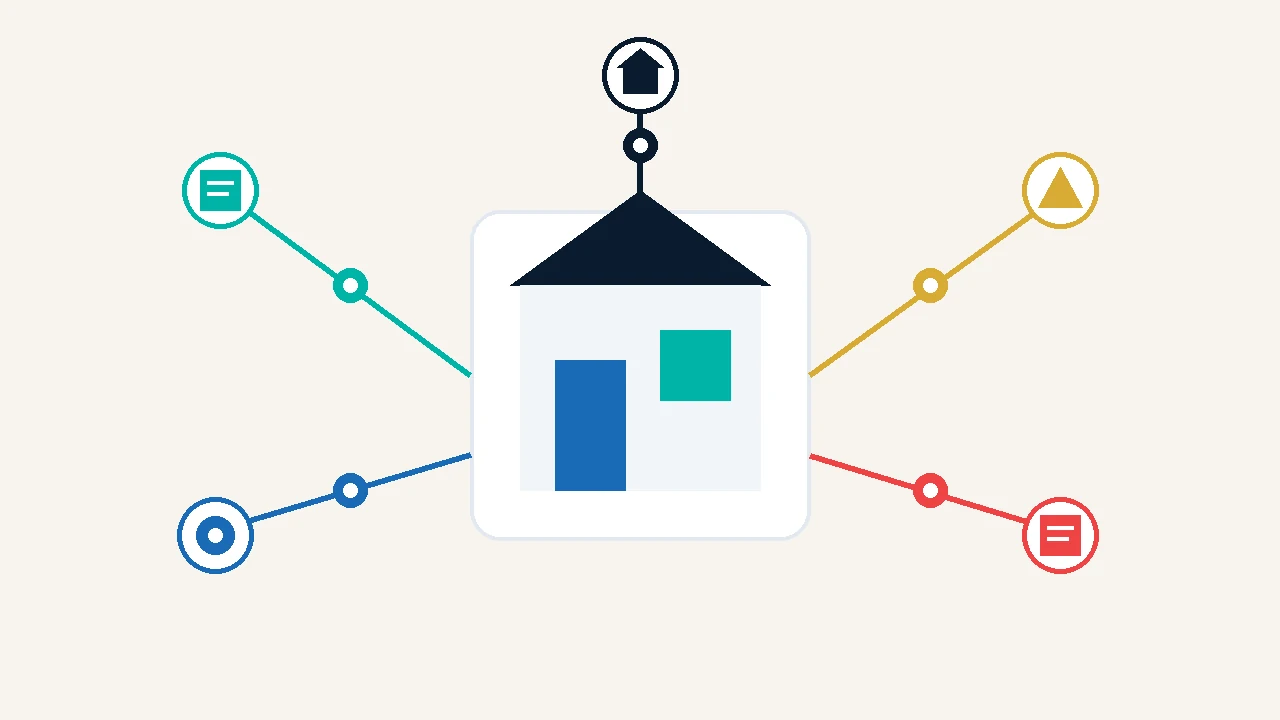
A citation mentions your business name, address, and phone. It may include a link, but it does not have to. A backlink is always a clickable route from another site to a page on yours.
| Signal | Example | Audit focus |
|---|---|---|
| Citation | Association profile with NAP | Business data accuracy |
| Local backlink | Partner page links to your case study | Relevance, context, and page purpose |
| Brand mention | Local media names the brand without a link | Opportunity to add the source |
Local backlink sources worth pursuing
Partners, suppliers, and business customers
Start with relationships you already have. Check whether partners have a partner page, implementer directory, case study, or collaboration article. Do not ask for an empty homepage link. Give their readers a reason: integration documentation, a joint case study, a usage guide, or a complete partner profile.
Associations and industry organizations
Verified membership often includes a member profile. The association should be relevant, active, and have a real verification process. Paying membership fees for membership benefits is normal. Paying only to place a keyword-rich anchor on a page with no context is different.
Events and communities
Sponsors, speakers, hosts, and venue providers often have event pages. Links can point to a speaker profile, presentation, registration page, or event report. Save the URL after the event because temporary pages often disappear.
Local media and niche publications
Publishers need verifiable information. Regional data, informed commentary, regulatory changes, and operational stories are more useful than promotional press releases. For wider campaigns, use the digital PR for SEO guide.
Universities, schools, and training providers
Internships, guest lectures, training, joint research, or facility support can produce official pages. The relationship must be real. Do not offer money to an educational site manager merely to buy a link.
Useful local resources
Publish a page that makes someone else’s work easier: regional pricing data, a calculator, permit checklist, service map, curated niche directory, or trend report. Good assets reduce the need to beg because people have a reason to cite them.
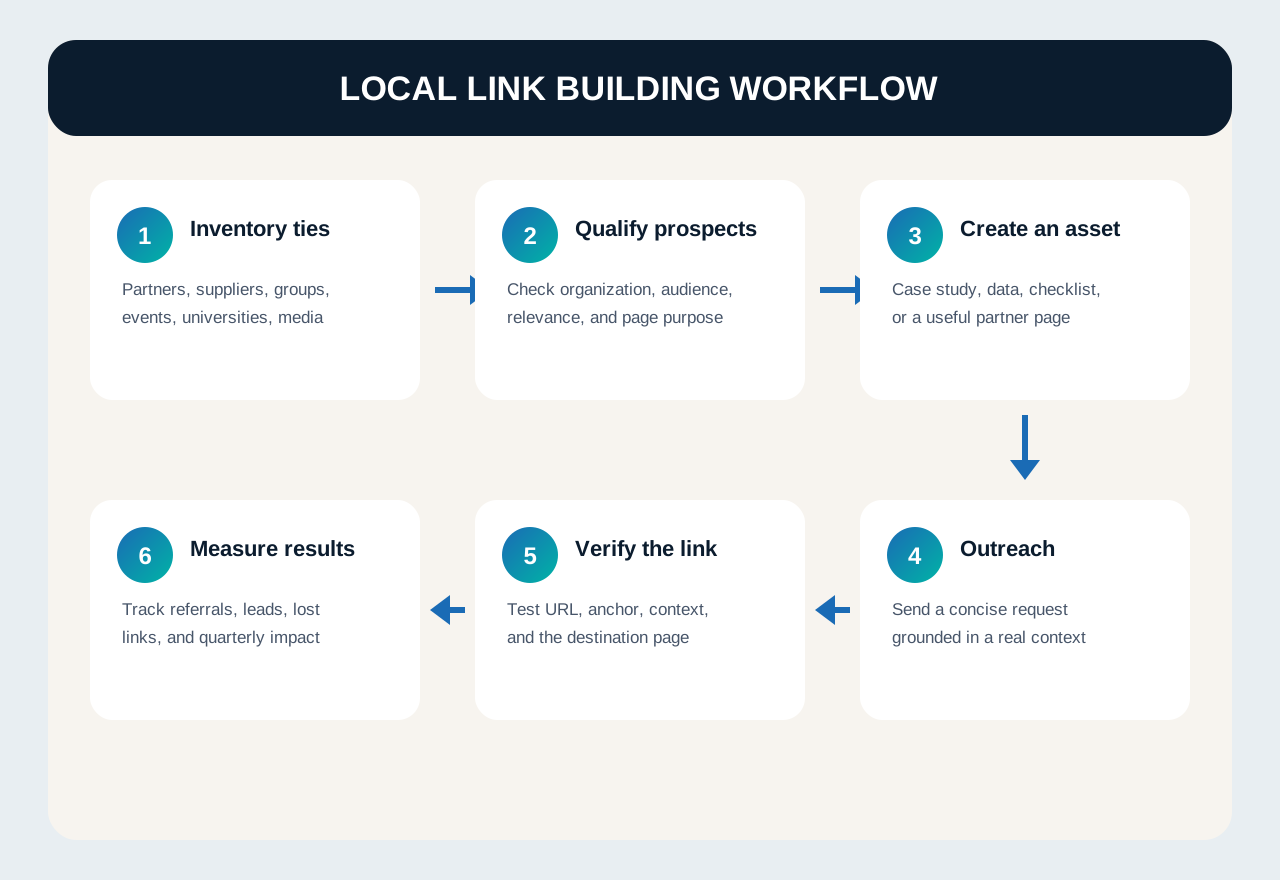
A local link building workflow
1. Inventory real relationships
Open your lists of vendors, partners, publishable B2B clients, associations, communities, events, universities, and media contacts. Record the relationship, internal owner, domain, relevant page, and current link status.
2. Qualify prospects before outreach
Use simple questions:
- Is the site tied to a real organization?
- Is its audience relevant to your market or location?
- Does the page have a purpose beyond selling links?
- Would the link help readers find an additional source?
- Is the business comfortable being listed there publicly?
Third-party SEO metrics can be clues, not the sole decision. A small niche association site may be more relevant than a large portal selling hundreds of guest posts.
3. Create a reason to link
Choose the destination that helps readers most. A homepage fits an organization profile. A case study fits a partner page. A report or checklist fits a reference article. The page should be indexable, contain what it promises, and not require login to read the main source.
4. Send concise outreach
Mention the existing relationship, their relevant page, and the source that could help readers. Skip long templates about domain authority.
Sample email
Hi Rina, ABC’s partner page still points to our old landing page. We have published an implementation case study covering the setup and project outcome: [URL]. If it helps readers on the partner page, could you replace the old link with this source? Thank you.
5. Verify the link
Open the link in a browser after publication. Check the URL, confirm the destination does not return 404, and make sure the anchor describes the destination naturally. Google recommends standard HTML links using an <a> element with a crawlable href.
6. Measure business results
Log the source domain, source URL, destination URL, discovery date, context, referral traffic, and leads when available. Do not judge the result from one day of rankings. Review it quarterly with Search Console, Analytics, and lead data.
Choosing the destination page
| Link source | Sensible destination |
|---|---|
| Association profile | Homepage or location page |
| Partner page | Case study or integration page |
| Media article | Research, data, or cited guide |
| Event page | Speaker profile, materials, or recap |
| Industry directory | Relevant service or location page |
Use stable URLs. Do not send every backlink to the homepage when another page answers the context better.
Tactics to avoid
- Buying articles only for dofollow keyword anchors.
- Mass link exchanges across many sites.
- Using site networks or directories built to sell links.
- Spreading commercial anchors through forum and blog comments.
- Sending thin press releases to hundreds of automated sites.
- Creating fake scholarships or events for education-domain links.
Paid collaborations may still link for readers, but label the commercial relationship with an appropriate attribute such as rel="sponsored". Do not use payment to buy ranking signals.
Monthly checklist
- Find new unlinked brand mentions.
- Check whether important links disappeared or now return 404.
- Add 5–10 prospects from new business relationships.
- Pick one resource that needs an update to remain useful.
- Send personal outreach instead of a blast.
- Record referral traffic and leads from active links.
- Reject link offers with no relevance or real readers.
Conclusion
Useful local backlinks usually follow real work: partnerships, events, data, expertise, and community contributions. Start with existing relationships, publish pages worth citing, then request links in a context that helps readers. This takes longer than buying a package, but the assets and relationships can keep producing referrals, trust, and visibility.
Add this work to your local SEO audit. Need help building the plan? See LINC digital marketing services or contact our team.